
Fintech, explained for beginners

Plain-English explainers on payments, banking, open banking, lending, regulation and fraud — every fact linked to its primary source.

Start with the basics
89 Primary-sourced explainers across 7 regulated channels
100% Official regulatory sources cited (Fed, ECB, BIS, FCA)
4 Interactive browser calculators with transparent math
0 Sponsored placements, ads, or paid bank rankings

How does a card payment actually work?

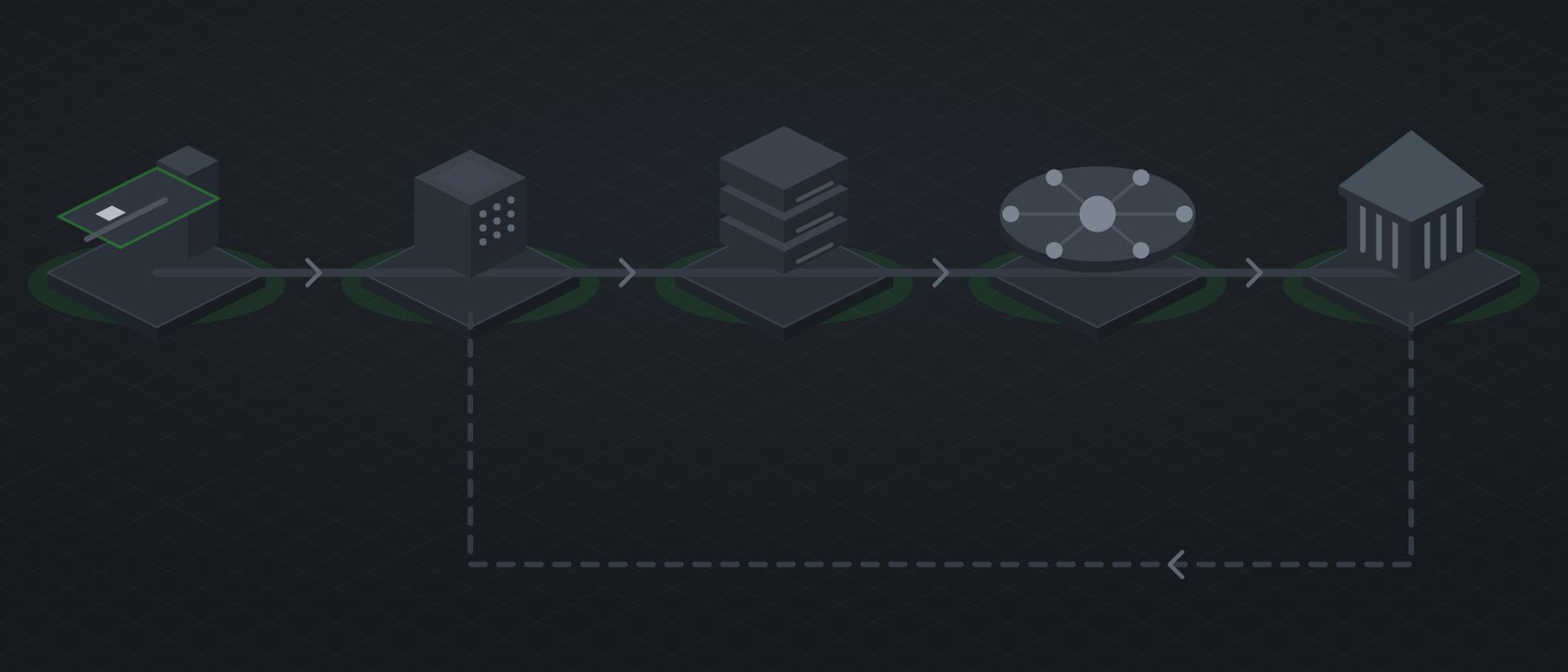
A card tap looks instantaneous, but traverses five distinct institutions before funds settle. Explore the millisecond routing below.

Step 1 (0ms): NFC antenna creates magnetic field and exchanges encrypted EMV cryptogram.

Read the full explainer

How a payment splits in real time

When you spend, interchange fees, network assessments, and acquiring processors slice the margin before the merchant receives net payout.

Live Simulator
$100.00
Merchant receives 98.00%
$98.00

Net funds settled into merchant bank account after all processing deductions.

Card Issuer fee 1.50%
$1.50

Interchange paid to the consumer's bank; funds cash-back rewards and credit risk.

Card Network fee 0.14%
$0.14

Assessment fees paid to Visa or Mastercard for switching, tokenization and arbitration.

Acquirer / Processor 0.36%
$0.36

Markup charged by merchant payment processor (Stripe, Square, Adyen) for POS hardware & gateway.

Model: US standard card-present retail interchange (Dodd-Frank / Regulation II baseline). Open full interchange fee calculator →

Inside the payment infrastructure

Real artefacts, cryptographic chips, and central bank facilities powering modern transactions.

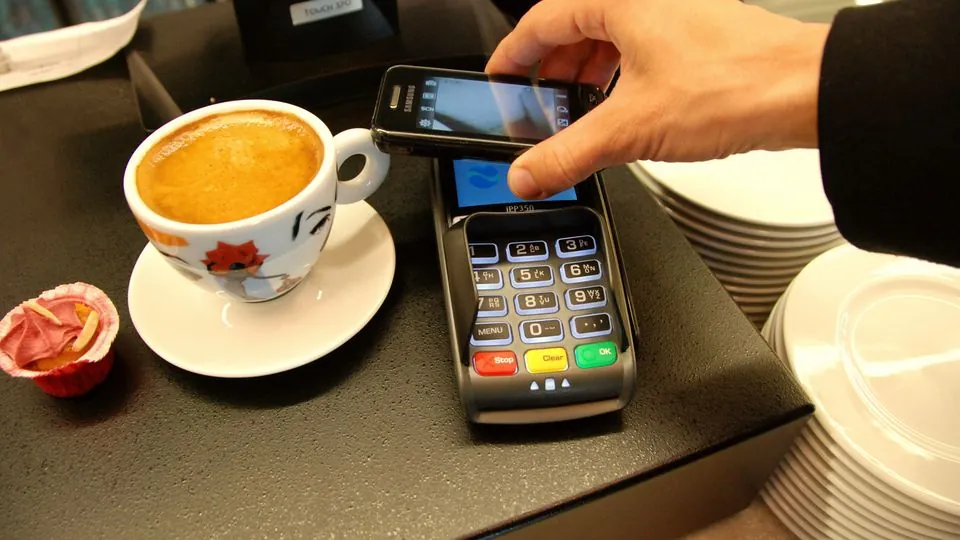
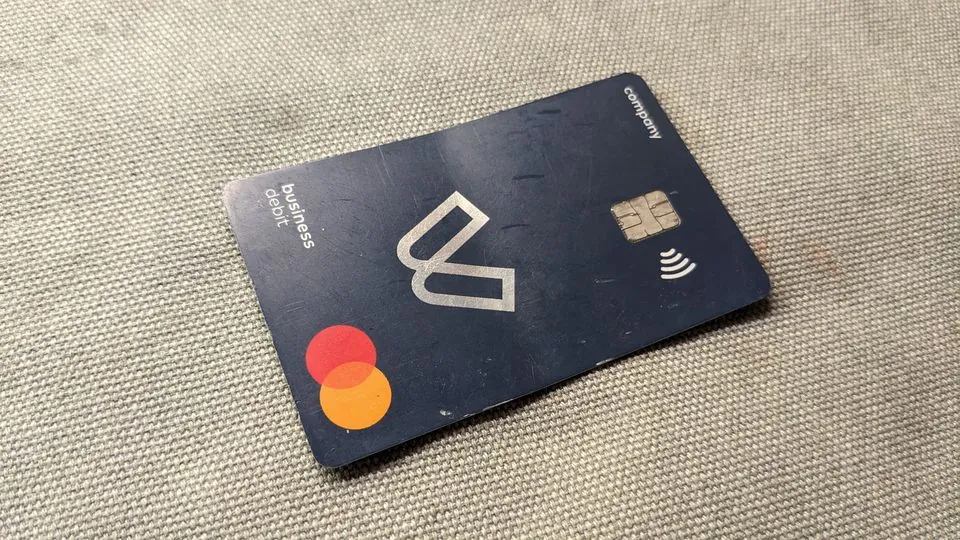
EMV Microchip & NFC Loop Card Hardware

EMV Microchip & NFC Loop

Cryptographic chips that generate unique tokens for every tap.

Read explainer →
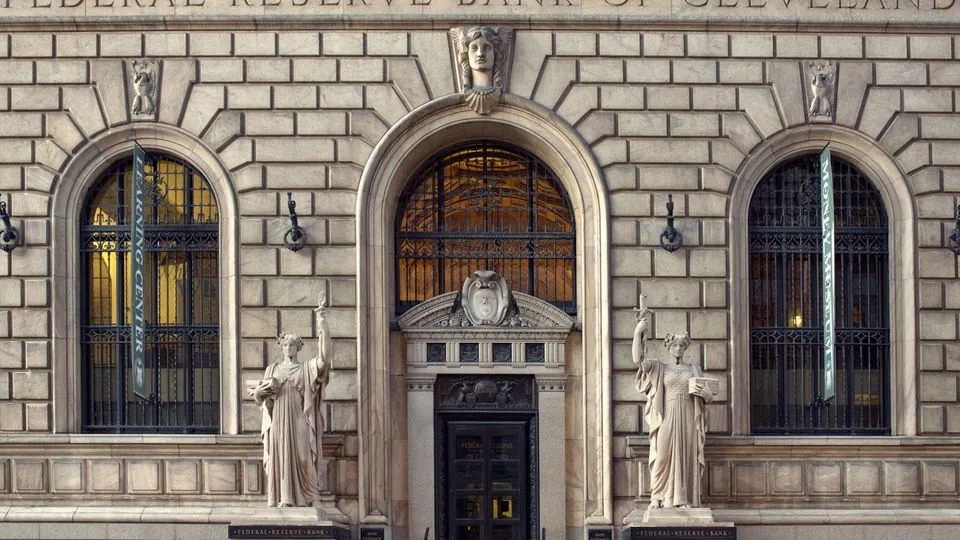
Central Bank Discount Window Lender of Last Resort

Central Bank Discount Window

Emergency liquidity facilities backing commercial bank stability.

Read explainer →
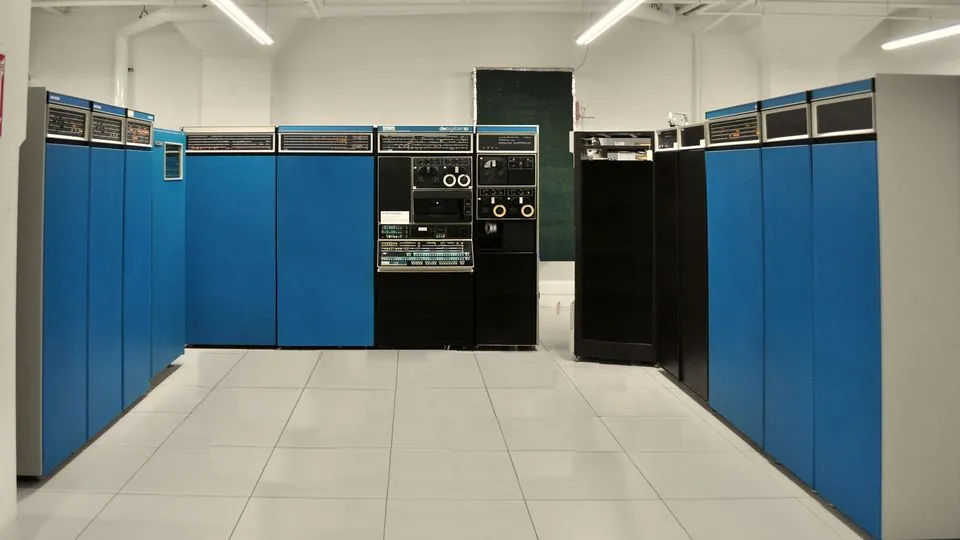
Core Banking Mainframe Ledgers System of Record

Core Banking Mainframe Ledgers

High-throughput relational databases tracking deposit ledger records.

Read explainer →
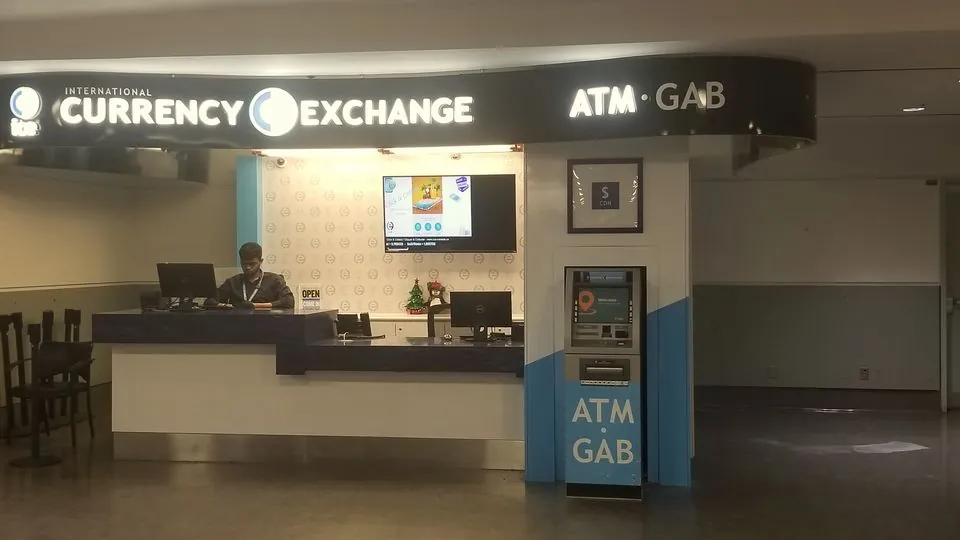
Cross-Border Correspondent Rail Global SWIFT

Cross-Border Correspondent Rail

Nostro and vostro accounts settling payments across international borders.

Read explainer →
Interchange Transaction Economics Fee Routing

Interchange Transaction Economics

The statutory rules and network rates splitting point-of-sale revenue.

Read explainer →
24/7/365 Real-Time Gross Settlement Instant Rails

24/7/365 Real-Time Gross Settlement

Instant irrevocability without the 48-hour batch delays of ACH.

Read explainer →
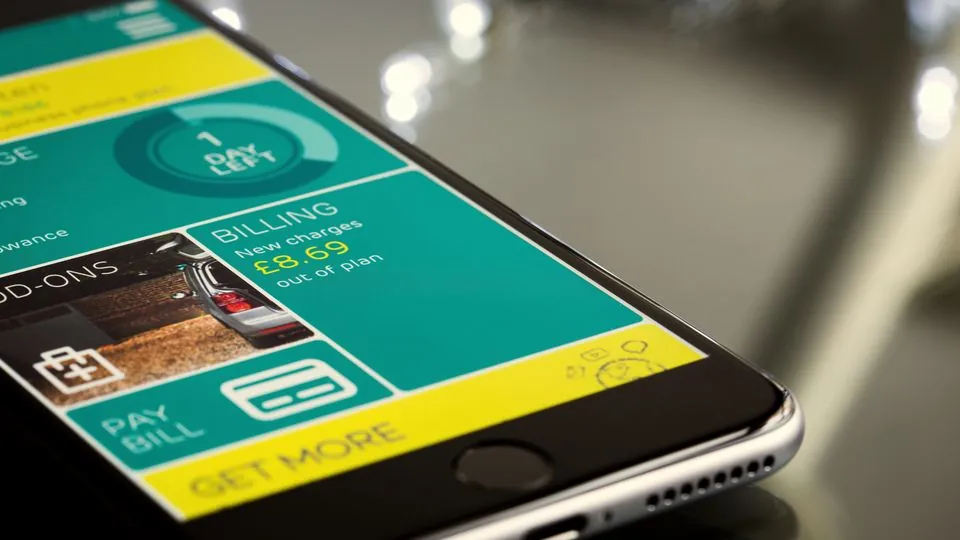
Open Banking API Endpoints Direct Access

Open Banking API Endpoints

REST APIs replacing screen-scraping under consumer privacy standards.

Read explainer →
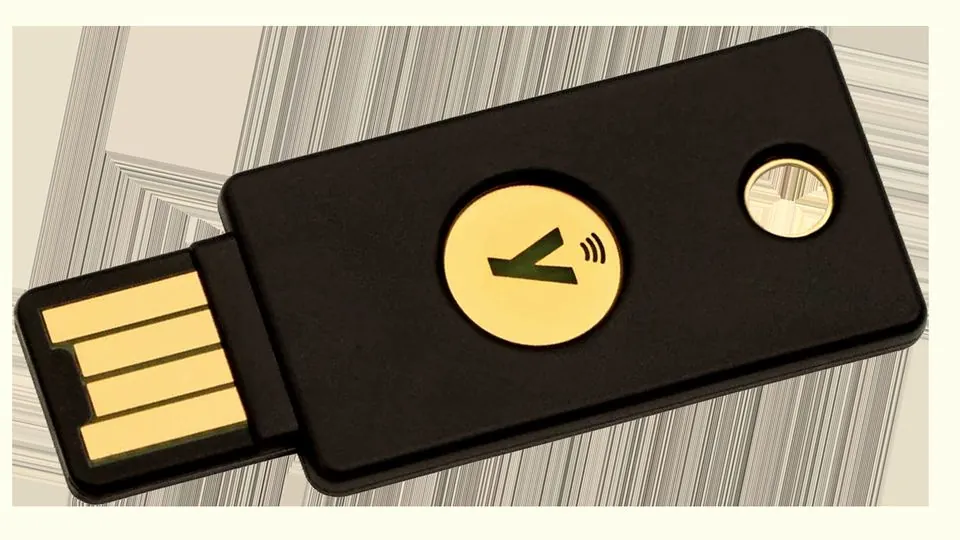
FIDO Cryptographic Passkeys Phishing-Proof Auth

FIDO Cryptographic Passkeys

Asymmetric public-key cryptography replacing passwords in banking.

Read explainer →

Explainers by channel

Browse everything

Payments

13 pages

  1. How does a card payment actually work?
  2. What are instant payments, and how do they work?
  3. How do cross-border payments work, and why are they slow and expensive?
  4. How do digital wallets work?
  5. How do stablecoin payments work?

Banking

11 pages

  1. How does deposit insurance work?
  2. What is banking as a service, and how does it work?
  3. What is a core banking system, and why is it so hard to change?
  4. How do banks make money?
  5. How does the Fed's discount window work?

Open Banking & APIs

9 pages

  1. What is open banking, and how does it actually work?
  2. What is PSD2, and what did it change for you?
  3. What is the CFPB 1033 open banking rule, and is it in force?
  4. How do banking APIs actually work?
  5. What is pay by bank, and how is it different from paying by card?

Lending & Credit

10 pages

  1. How do credit scores actually work?
  2. How does buy now, pay later actually work?
  3. What is alternative credit data and how do lenders use it?
  4. What is the difference between APR and APY?
  5. What is embedded finance and how does it work?

Regulation & Compliance

9 pages

  1. What is KYC, and why does every finance app want my ID?
  2. What is anti-money laundering, and how does it actually work?
  3. What is DORA, the EU's Digital Operational Resilience Act?
  4. What is a regulatory sandbox, and how does it work?
  5. What is sanctions screening, and how do banks check names?

Fraud & Security

9 pages

  1. What is authorised push payment fraud, and can you get your money back?
  2. What is account takeover fraud and how do criminals get in?
  3. What are passkeys, and why are banks moving away from one-time codes?
  4. What is PCI DSS, and who has to follow it?
  5. What is strong customer authentication and why does your bank ask for it?

Wealthtech & Insurtech

9 pages

  1. What is embedded insurance and is it good value?
  2. What are fractional shares and how do they work?
  3. How does investor protection work, and what does it not cover?
  4. What is payment for order flow and why does it matter?
  5. What is a robo-advisor and how does it manage your money?

Calculators

4 pages

  1. APR ⇄ APY converter
  2. Card processing fee calculator
  3. Currency conversion (FX) markup calculator
  4. Loan payment calculator

Side by side: comparisons

From the glossary

Glossary A–Z

Three reading paths for beginners

How the paths work

Where our facts come from

Full list

Every number on Tokenova links to the document it came from. These are the official publishers we cite most — regulators, central banks, standards bodies and law texts. 97 pages, 340 distinct source documents, zero paid placements.

Frequently asked questions

Are the Tokenova calculators free?

Yes. The four calculators for card processing fees, FX markups, APR ⇄ APY and loan payments are free, and each one runs in your browser: nothing you type is sent anywhere.

Who runs Tokenova, and is it independent?

Tokenova is an independent, self-funded education project. It is self-funded by its owner; there is no investor, sponsor or partner, and we do not accept payment, free products or any other benefit in exchange for coverage. Pages are researched and drafted by the Tokenova Editorial Desk with the help of AI writing and research tools. Read how we are funded.

Where do the numbers come from?

Every number, date and rule links to the document it comes from. Each page must cite at least one primary source, such as a law, a regulator, a central bank or a standards body, and a separate fact-check pass re-opens the sources before publication. Worked examples are calculated with code rather than by hand. See our editorial policy.

Where should a beginner start?

With the reading paths: three short paths on how money moves, how banks and apps fit together, and how to stay safe. Each path takes about half an hour; read the pages in order.

Do you give financial advice or recommend products?

No. We do not give personal financial, legal or tax advice, and we do not rank or recommend specific banks, apps or tokens. We do not sell financial products, take commissions or publish paid placements. The calculators only do the arithmetic and do not recommend any product.