News analysis ·
Upgrade seeks an ILC charter: who funds and who supervises
Upgrade wants an industrial loan company charter. We explain how its lending money would move and why critics say ILCs dodge Fed oversight.
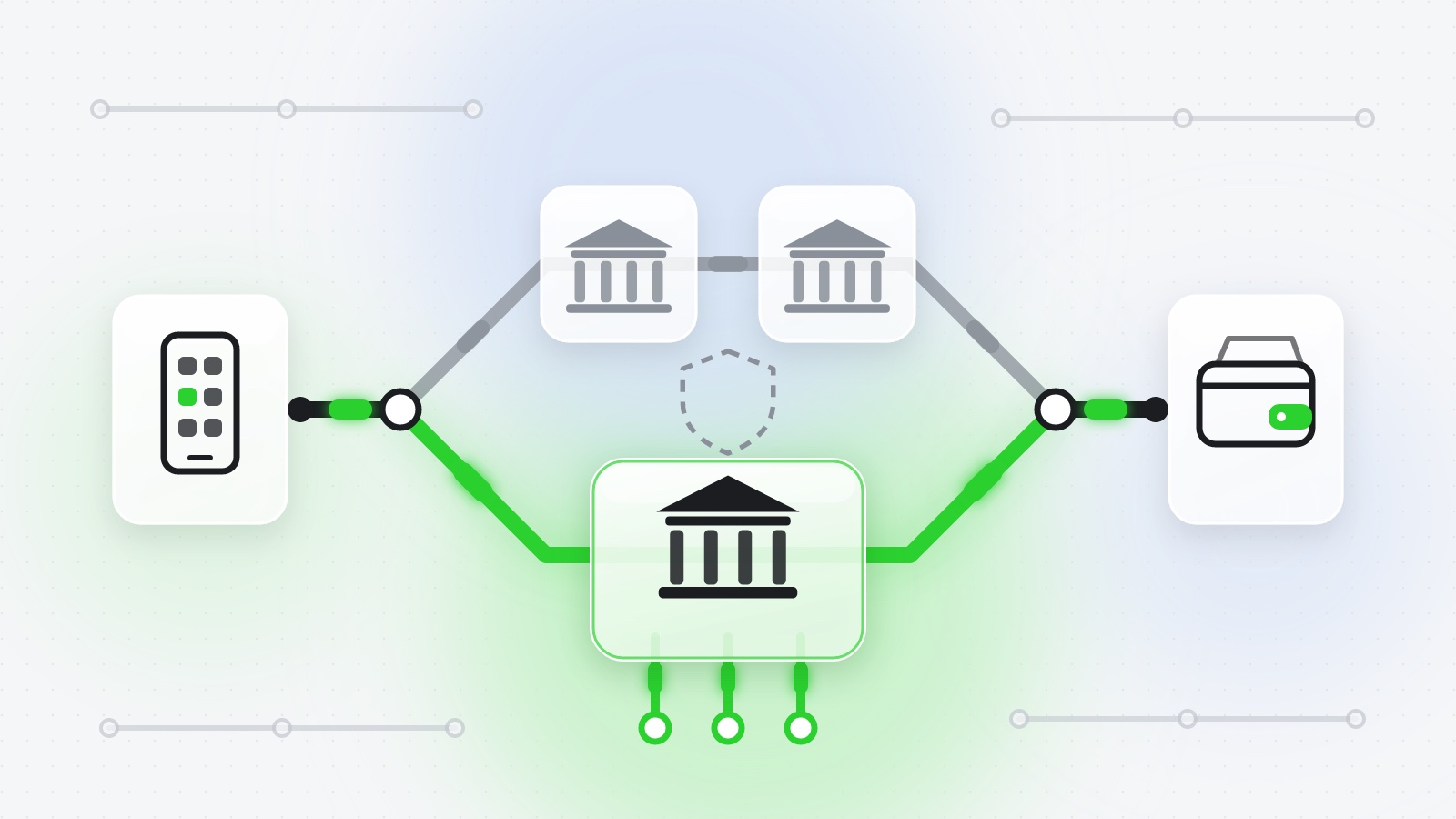
Upgrade, the consumer lender, has applied to open its own bank under an industrial loan company charter, Payments Dive reported. The filing went to the FDIC and to Nevada's state banking regulator. This article looks at what would change in how Upgrade's lending is funded, who would supervise the new bank, and why the ILC route draws objections from community banks and some lawmakers.
What Upgrade has filed
Upgrade announced on Monday that it had submitted an application for an industrial loan company charter, or ILC. It went to two agencies at once: the Federal Deposit Insurance Corp., which would insure the bank's deposits, and the Nevada Financial Institutions Division, the state chartering authority.
Banking Dive described Upgrade as a credit card startup of about ten years' standing. The company began with personal loans and later added credit cards, mobile banking, auto finance and BNPL installment plans. By its own count, Upgrade has served some 8.5 million customers and its lending totals about $53 billion.
The proposed chief executive of Upgrade Bank is Virginia Varela. She spent more than two decades at the OCC, the federal regulator of national banks, and two years as a senior examiner at the Federal Reserve, part of more than 40 years in banking. After the 2007-08 financial crisis she worked on turning around troubled banks. She ran Golden Pacific Bank in Sacramento when SoFi bought it, then led SoFi's community banking unit before joining Upgrade in July 2025 as head of banking strategy.
"We are excited at the prospect of establishing a new bank that will advance Upgrade’s mission of bringing responsible and affordable credit to consumers," Varela said, according to Payments Dive. The planned board would include Varela, Upgrade co-founder and CFO Jeffrey Bogan, and Raymond Specht, a former CEO of Toyota Financial Savings Bank, as an independent director.
How the money moves today, and after a charter
Today Upgrade does not hold a bank charter. It works with partner banks, Cross River and Celtic Bank, for loans, credit lines and banking services, Payments Dive reported. In this model, often called banking as a service, the partner bank is the legal lender. Upgrade finds the customer, runs the app and handles servicing. The partner bank books the loan and holds the regulatory responsibility.
That arrangement is a dependency. Upgrade's products must fit what its partner banks allow. Payments Dive said a charter of its own would reduce that reliance.
A charter changes the plumbing. As a bank, Upgrade Bank could take insured deposits and lend them out directly. Funding would come from its own depositors rather than flowing through a partner's balance sheet. Payments Dive noted that the charter would make Upgrade less reliant on its partner banks.
- Partner model: customer deals with Upgrade, but the loan sits with Cross River or Celtic Bank, which answers to its own regulators.
- Charter model: Upgrade Bank books the loan, funds it with deposits it gathers, and carries the credit losses on its own books.
- Either way, the borrower owes the money; what shifts is which institution holds the loan and the risk.
Rules and risks: the supervision question
An ILC is a state-chartered bank whose deposits are insured by the FDIC. The point of contention is the parent company. Critics in Congress, with banking-industry support, argue that owners of ILCs fall outside the Bank Holding Company Act's definition of a bank. If the ILC does not offer demand deposits, such as ordinary checking accounts, the parent can avoid Federal Reserve supervision.
That gap is why the Independent Community Bankers of America objected in May. The trade group warned that cutting the Fed out of ILC oversight would leave a hole in safety and soundness supervision and add systemic risk. Last year Senators Elizabeth Warren and Andy Kim proposed a pause on commercially owned ILC charters until such firms are treated as banks under the BHC Act.
Who carries losses matters here. If an ILC fails, the FDIC, which insures its deposits, is the agency that deals with the loss to depositors. Critics' concern is that the parent company, which may run other businesses, sits outside the consolidated supervision that applies to ordinary bank owners.
A crowded charter queue
Upgrade is not alone. Payments Dive reported that new charter applications have jumped under Trump-era regulators, and that FDIC Chair Travis Hill last year promoted the ILC as one way to get more new banks started. In July, both Flex and Klarna Group filed their own ILC applications. Stellantis won approval in May, Ford and General Motors in January, and Edward Jones in February.
What to watch
The FDIC and Nevada still have to rule on the application. Readers should watch whether regulators attach conditions on capital, deposit products or the parent company's commitments. On the policy side, the Warren and Kim proposal and the community bank objections show that the ILC model itself remains contested. For Cross River and Celtic Bank, the question is how much Upgrade business stays with them if the charter is granted.
Sources
- Payments Dive, 14 Oct 2026
- Banking Dive, 13 Oct 2026
Written by AI from the sources above and published automatically: before release, a script confirms every figure against the sources and checks for copied text. No editor reviews it. Treat it as background reading, not financial advice.