News analysis ·
FTC Scam Rule: Who Should Pay for Impersonation Fraud
The FTC is weighing a rule that could pull tech platforms into scam liability. We trace how scam money moves and who absorbs the loss today.
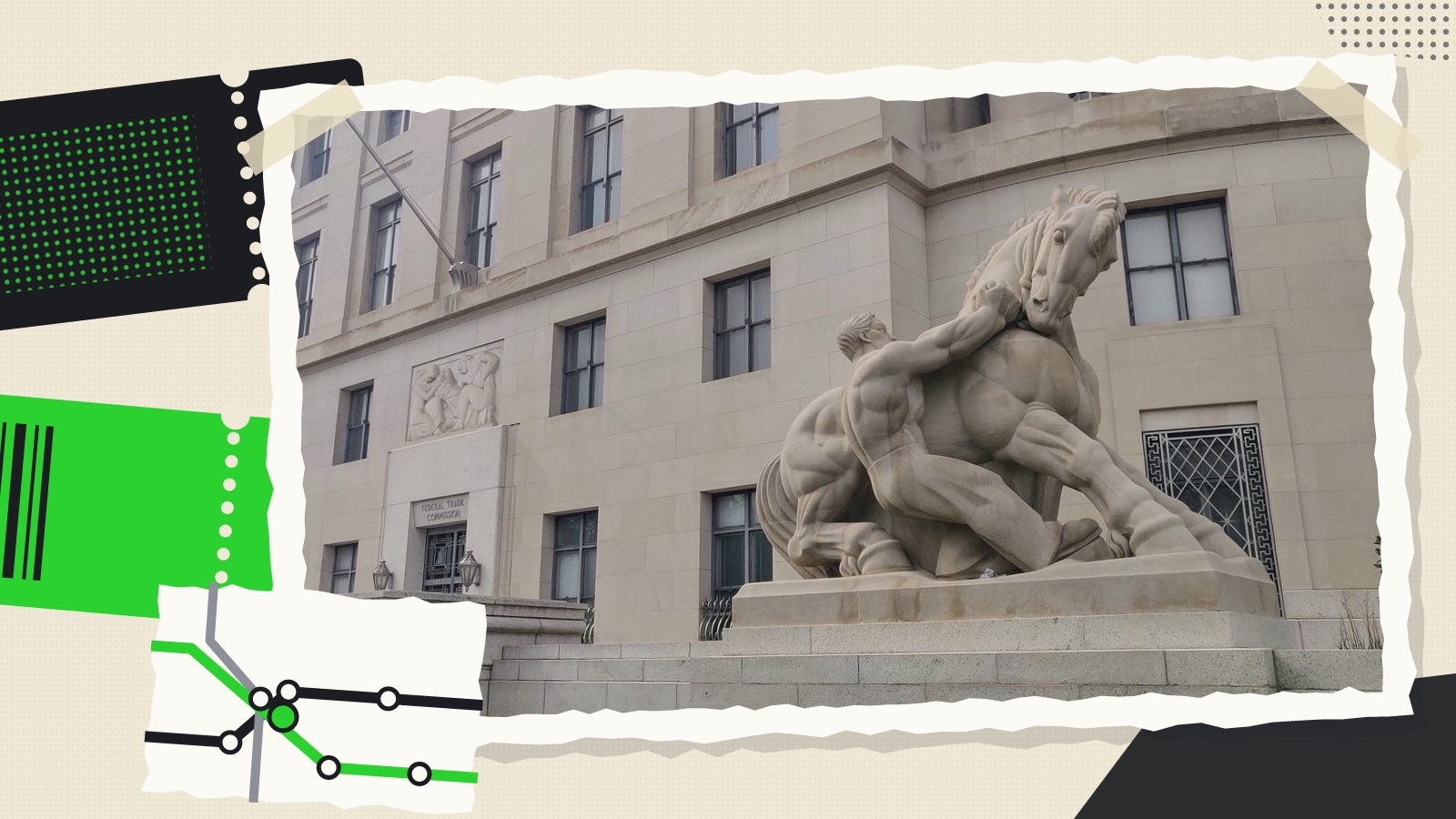
The Federal Trade Commission is asking the public whether big tech platforms should carry more of the burden of stopping scam ads, Payments Dive reported. The idea would update an existing FTC rule against impersonation fraud. This article looks at how money leaves a victim in these scams, who ends up holding the loss today, and what a platform duty could change.
What the FTC is considering
The FTC already has a rule that bans pretending to be a government or business official to cheat consumers. It signaled in September that it might widen how that rule assigns responsibility, and it published a proposal exploring an update dated Oct. 1. Comments are open this month, and the window closes at the end of it.
The scale behind the move is large. According to the FTC notice cited by Payments Dive, fraud cost consumers $16 billion last year. About $3.5 billion of that came from imposter schemes, with more than one million people filing reports. The agency said overall fraud losses were 25% higher than in 2024.
The FTC named Google, Facebook and Apple sites among examples of platforms where scams take place. Those companies did not immediately respond to Payments Dive.
How the money moves in an impersonation scam
The path is short, and that is the problem. A scammer buys an ad on a social network or a search engine. The ad poses as an official, a company or a professional. A consumer clicks, makes contact and is talked into sending money.
The payment usually goes to a bank account the fraudster controls. Payments Dive reported that such accounts tend to move the funds on quickly to other accounts, which makes the trail hard to follow. Once money hops a few times, recovery gets much harder.
- The platform earns ad revenue and, in many cases, helps shape and target the ad.
- The victim's bank sends the payment on the customer's own instruction.
- The receiving bank holds the account that collects the money and passes it on.
This kind of loss is often called authorised push payment fraud. The customer pushes the money themselves, so card-style protections such as a chargeback, a formal reversal of a card payment, usually do not apply. That gap is why the question of who pays matters so much.
Who carries the loss today
Right now much of the cost falls on the consumers who were tricked and the banks that sometimes cover them. Payments Dive reported that consumers and banks have absorbed many of these losses, while the FTC argued that platform owners that enable the crimes should do more.
Arun Rao, a Mayer Brown partner and former Justice Department deputy assistant attorney general, said banks have paid part of the losses and are pressing platforms to share the burden. He framed the moment bluntly: "We’re living in the golden age of fraud". Greg Hodges, who leads trust and safety for JPMorgan's payments arm, said in February 2025 that social media and marketplaces drive significantly more fraud.
From a banking view, this is a mismatch. The bank sits at the end of the chain, where the money actually leaves. But the first contact, and often the persuasion, happens on a platform the bank does not control. A rule that gives the platform a duty would move some of the risk closer to where the scam begins.
The legal fight over platform duty
Platforms usually argue they only host what others post. A Mayer Brown post, as described by Payments Dive, suggested the FTC could focus on platforms' own ad optimization work, such as writing ad copy or targeting audiences, rather than mere hosting. The same post said this would likely be contested.
The FTC's questions point in that direction. It asked how platforms should investigate a suspected impersonation ad, and what cost-effective limits should apply to tools that tailor ads to each user. Those are questions about conduct, not just content.
What to watch
Nearly 200 comments had arrived so far, mostly from ordinary consumers, and input from tech firms and other businesses remained thin. The FTC indicated it intends to act even though the proposal is still tentative.
For banks and payment firms, the key detail will be how any final rule defines a platform's role. A narrow rule on ad tools would leave the payment leg unchanged. A broader one could give banks a stronger case that the cost of a scam should not stop at the account where the money left.
Sources
- Payments Dive, 12 Nov 2026
Written by AI from the sources above and published automatically: before release, a script confirms every figure against the sources and checks for copied text. No editor reviews it. Treat it as background reading, not financial advice.