News analysis ·
Warren on bank examiner limits: who pays for cyber flaws
Sen. Warren asks the Fed, OCC and FDIC to undo limits on bank examiners. We trace who carries the loss when a known cyber weakness is left unfixed.
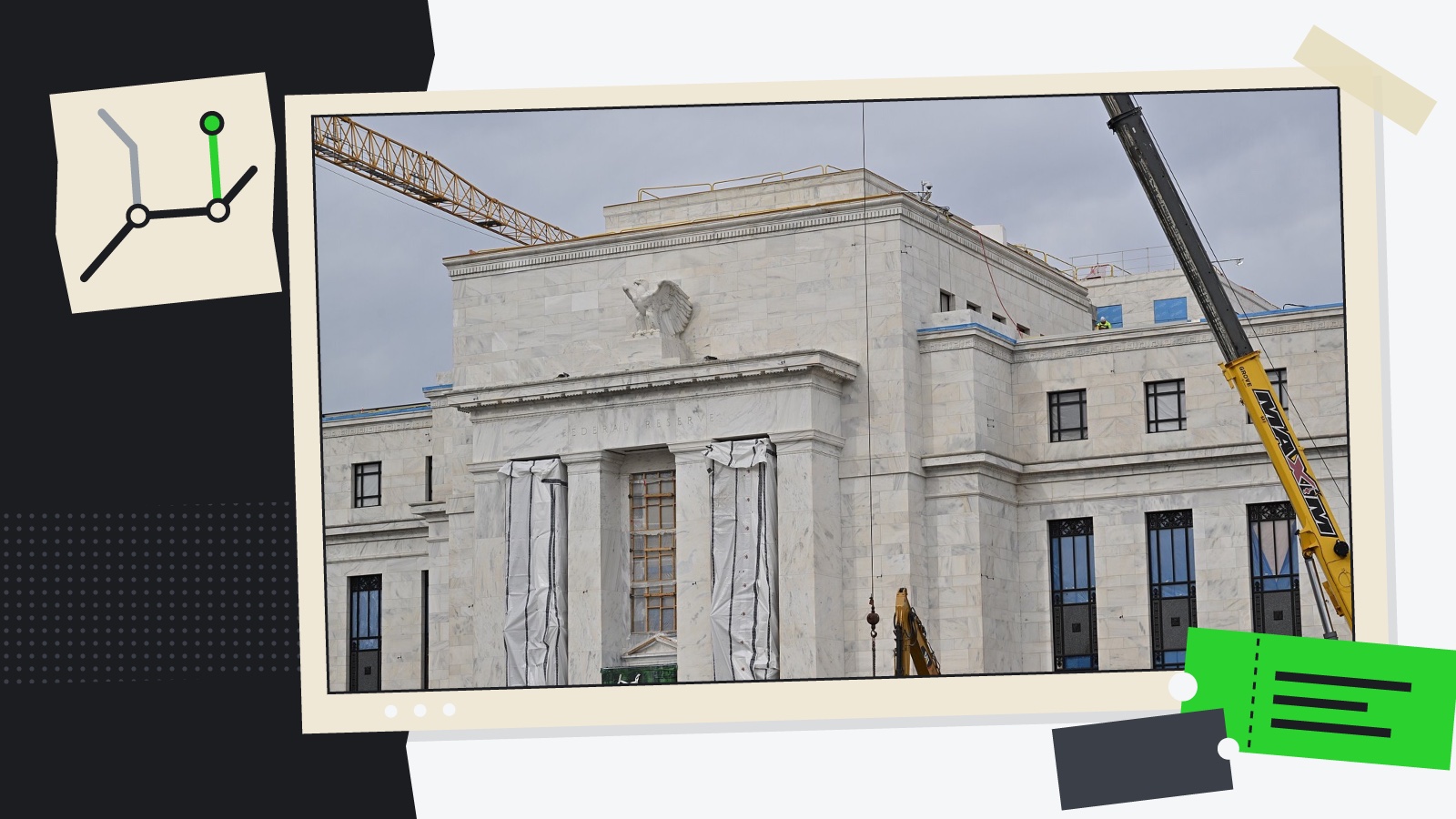
Senator Elizabeth Warren has asked the Federal Reserve, the OCC and the FDIC to withdraw two recent policy changes that, in her view, make it harder for bank examiners to act on cyber threats, Banking Dive reported. The debate sounds procedural. This article looks at what it changes in practice: when a supervisor can force a bank to fix a weakness, and who ends up paying if nobody does.
What Warren is asking for
Warren, the Massachusetts senator who is the ranking Democrat on the Banking Committee, sent letters on Friday to the three federal bank regulators. According to Banking Dive, she wants two updates rolled back because they narrow when examiners can issue supervisory warnings or start enforcement actions, just as AI tools get more capable.
The first is a September revision to the Fed's statement of supervisory operating principles. Warren wrote to Michelle Bowman, the Fed vice chair for supervision. In Warren's reading, the guidance blocks examiner action unless a threat carries an abnormal probability of abnormal harm. Harm that is only possible, only material, or uncertain in size would not be enough.
The second is an August change by the OCC and the FDIC to the definition of unsafe or unsound practices. That letter went to FDIC Chair Travis Hill and to Jonathan Gould, the Comptroller of the Currency. Under the narrower wording, Warren says, examiners can step in only when a cyber incident is likely, not just plausible, to hurt a bank's finances in a material way.
How the supervisory tools work
Examiners are the staff regulators send into banks to review risk, controls and records. Their findings come in grades. A matter requiring attention, often called an MRA, is a formal finding that the bank must fix something by a set point. It is not a fine. It is a written order to repair a weakness before it turns into a loss.
An MRA rests on the idea of an unsafe or unsound practice. If that phrase is defined broadly, examiners can flag a gap early, while it is still cheap to close. If it is defined narrowly, they must first show that harm is likely and material. For a cyber weakness that has been found but not yet used by attackers, that proof is hard. Warren made this point herself: an unexploited flaw may not easily qualify as likely to cause harm.
Who carries the loss when a known flaw is exploited
This is where the rule change moves risk around. Think of the chain of money when an attacker gets through a weakness a bank already knew about.
- The bank pays first: incident response, system repairs, legal costs and any losses it must absorb from its own capital.
- Customers may pay next: stolen credentials can lead to account takeover, and business and household data can be exposed, which is one of the harms Warren listed.
- Payment partners can be hit too: card networks, processors and fintechs connected to the bank may have to reissue cards, freeze accounts or chase fraud.
- If damage is large enough to threaten the bank itself, the problem reaches the safety net. Deposit insurance protects depositors when a bank fails, not when money is stolen from an account, and its costs are funded by assessments on banks.
An early MRA shifts the cost to the front of that chain, where it is smallest: the bank spends money on fixes now. A narrower standard pushes cost toward the back, where it is larger and spread across people who had no say. Warren argues the narrower test weakens banks' incentives to keep strong cybersecurity policies, procedures and internal controls. She also warned that Fed, OCC and FDIC leaders would share the blame for harm from future attacks if examiner powers stay limited.
The threat backdrop
Warren pointed to a June Texas Bankers Association survey. In it, 76% of responding banks said cyberattacks had increased over the past year, and 84% said they are raising cybersecurity spending to deal with AI-related risks. She warned that leaving flaws unfixed could mean more frequent and severe attacks and could undermine financial stability.
"the Fed should be strengthening bank examiners’ supervisory tools and their ability to enforce strong cybersecurity standards, not gutting them," Warren said, as quoted by Banking Dive.
What to watch
The letters are requests, not law. The regulators can keep, revise or withdraw the policies. Points worth following: whether any of the three agencies responds publicly; whether examiners issue cyber findings at a different pace under the new standards; and how banks decide on their own what counts as a likely harm. For customers and fintech partners, the practical question is simple. If a supervisor cannot order a fix early, the pressure to fix rests more on each bank's own judgement.
Sources
- Banking Dive, 26 Oct 2026
Written by AI from the sources above and published automatically: before release, a script confirms every figure against the sources and checks for copied text. No editor reviews it. Treat it as background reading, not financial advice.