News analysis ·
Visa and Mastercard Swipe-Fee Deal: Who Pays
A judge weighs a Visa and Mastercard swipe-fee settlement or a 2027 trial. We trace how interchange flows and who would carry the cost.
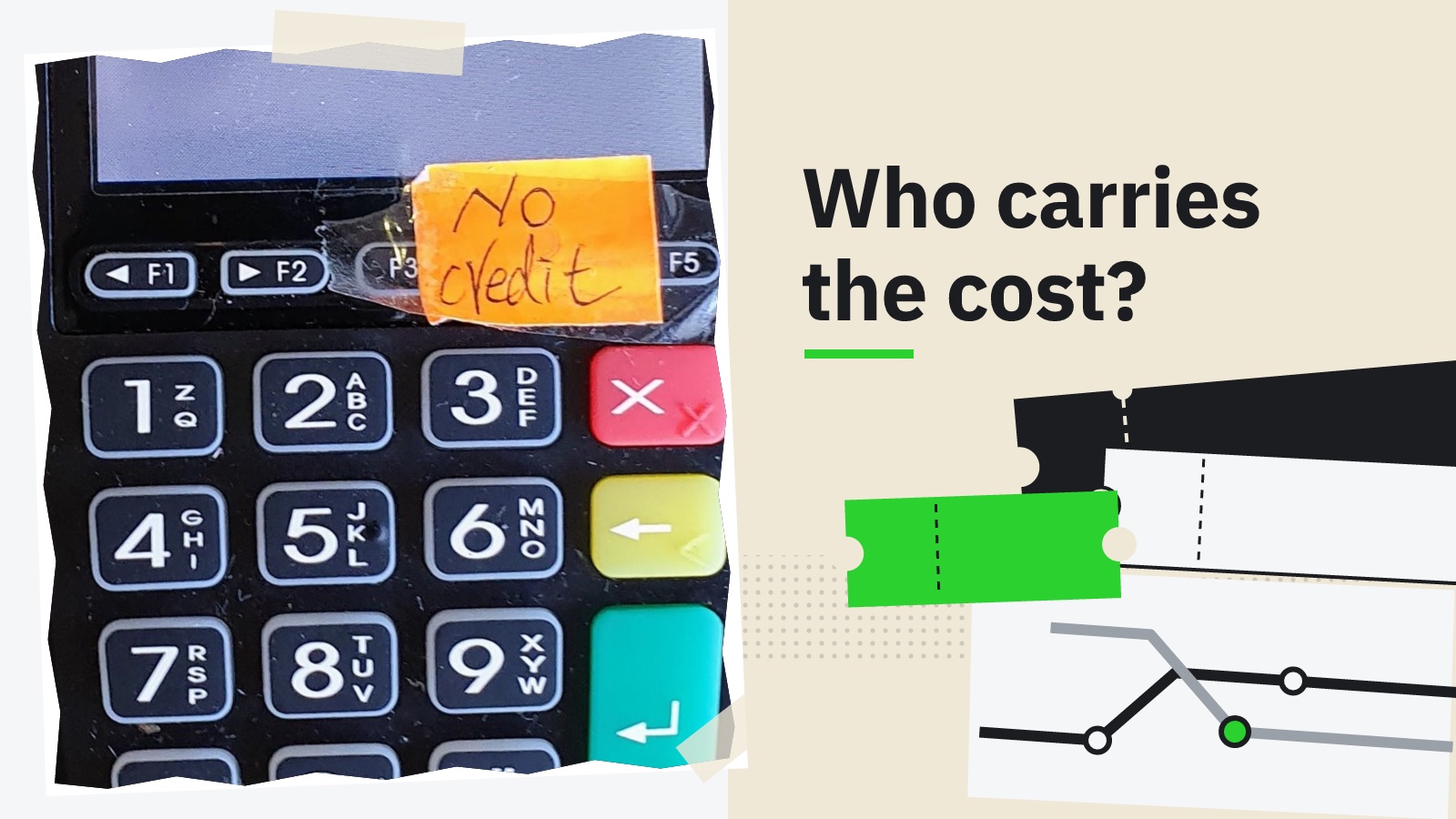
A federal judge in Brooklyn has not yet decided whether to approve a settlement between merchants and Visa and Mastercard over card swipe fees, and a rejection would send the dispute to a 2027 trial, Payments Dive reported. This article looks at how the fee moves through a card payment and who would carry the cost under each outcome.
What the judge said
U.S. District Judge Brian Cogan held a 90-minute hearing on Monday on the proposed deal. According to Payments Dive, he told the parties he had not made up his mind on final approval and would rule as soon as possible. He gave the pact preliminary approval in June.
The deal would close 21 years of litigation. A class of 12 million merchants brought the suit against Visa, Mastercard and several big banks. Plaintiffs such as DoorDash and Circle K Stores, a unit of Alimentation Couche-Tard, claim the networks and large banks jointly fix default interchange rates in breach of U.S. antitrust law.
This is not the first attempt. A different judge threw out an earlier settlement in June 2024, finding it treated large and small merchants unequally in some respects.
How the money moves in a card swipe
When a shopper taps or swipes a card, the merchant does not receive the full price. Its bank, the acquirer, pays the card-issuing bank a fee called interchange, then passes that cost to the merchant along with network and processing charges. The network, Visa or Mastercard, runs the rails that carry the payment messages between the banks. The plaintiffs claim the networks and large banks jointly fix the default interchange rates.
So the money flows from the shopper to the issuer, through the network, to the acquirer and finally to the merchant, minus fees at each step. The issuing bank receives the interchange. That is why the dispute is about more than the networks: the banks that issue cards are the main recipients of the fee.
The scale is large. Per the Nilson Report in 2025, merchants paid an average 2.35% fee in 2024 on transactions over Visa and Mastercard. Card swipe fees came to $198.3 billion last year, the Merchants Payments Coalition says, and the two networks accounted for 60% of the total.
What the settlement would change
Payments Dive described several terms that shift where costs fall:
- A 10 basis points cut to credit interchange lasting five years. A basis point is one hundredth of a percentage point.
- A 1.25% rate on standard consumer cards for eight years.
- A right for merchants to refuse some pricier premium and commercial credit cards, a break from the honor all cards rule, which says a merchant that takes one of a network's cards must take them all.
- New rights to add surcharges to card payments or offer discounts that steer buyers toward lower-fee cards.
The first two terms are aimed at lowering what merchants pay. The last two move a decision to the checkout: a merchant could pass the cost of an expensive card to the shopper who chooses it, instead of spreading it across all prices.
Who carries the risk
Objections have come from about 1,000 larger merchants and trade groups, led by Walmart, with the National Association of Convenience Stores and the National Retail Federation also on board. Their point is practical. Premium bank cards with travel and cashback rewards carry higher fees, but large merchants argue they are too popular with customers to turn down. A right to refuse a card is worth little if refusing it costs sales.
That leaves a split in who bears the cost. If merchants accept premium cards and do not surcharge, they keep absorbing the fee and may build it into the prices every shopper pays. If they surcharge, the cardholder who earns the rewards pays more directly. Issuers would see lower credit interchange income while the cuts last.
Merchants also carry litigation risk. If the deal fails, the parties would get about two months to prepare and the trial would run roughly two months. A plaintiff win would bring a further round of argument over an injunction. Cogan weighed that delay openly: "it’s not going to be as protracted as it has been, but still a protracted process, which is one thing I have to consider."
What to watch
The next step is Cogan's ruling on final approval. Whatever he decides can be challenged on appeal at the 2nd Circuit in New York City, so the outcome may not settle quickly either way.
Cogan also handles a separate $5.5 billion damages settlement from eight years ago. Per Epiq, roughly 689,000 merchants have received about $631.7 million from it to date. That earlier fund covered past damages. The current deal is about how card acceptance is priced going forward, which is why its terms on surcharging and card refusal matter as much as the rate cuts.
Sources
- Payments Dive, 17 Nov 2026
Written by AI from the sources above and published automatically: before release, a script confirms every figure against the sources and checks for copied text. No editor reviews it. Treat it as background reading, not financial advice.