News analysis ·
OCC debanking report: who decides who gets an account
The OCC says nine big banks used vague reputational risk rules to refuse customers. We explain how account closures work and who carries the cost.
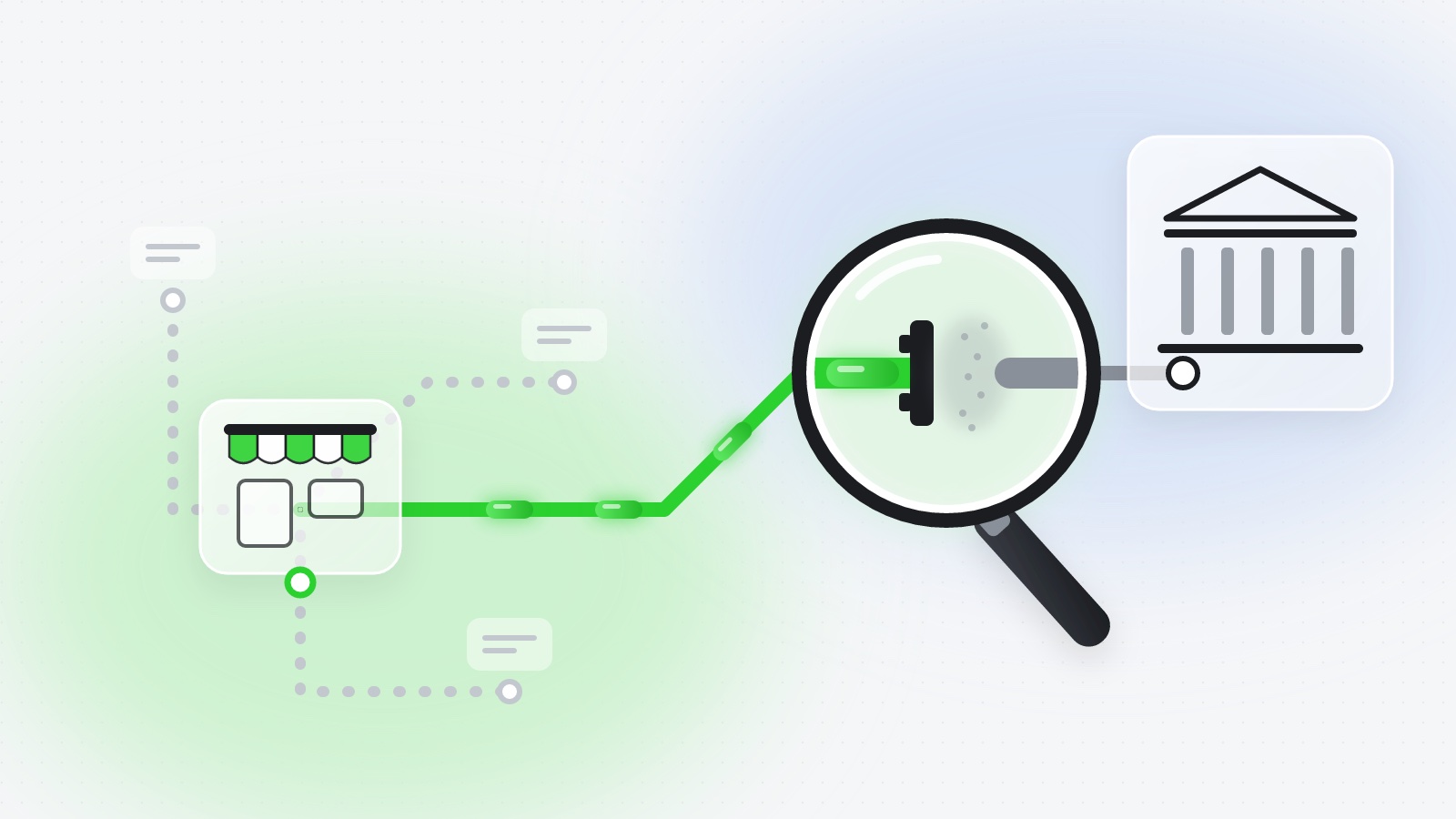
The OCC, the federal regulator of national banks, has published a 47-page follow-up report accusing nine of the largest US banks of debanking customers over their political or religious views, Banking Dive reported. The Consumer Financial Protection Bureau said on the same day that it will open its own investigation. Below: how a bank drops a customer, where the money goes, and who carries the risk.
What the OCC says it found
Its new report covers policies and individual account decisions at nine banks it oversees, for the period 2020 to 2025. The same banks were named in a preliminary report last December: Citi, PNC, BMO, TD, Wells Fargo, Capital One, U.S. Bank, Bank of America and JPMorgan Chase.
According to Banking Dive, the regulator reviewed nearly 100,000 complaints and roughly 420,000 pages of policy documents and customer decision records. Its central finding is about rules, not single cases. The OCC said broad reputational risk policies lacked clear, objective, risk-based standards, and that this put some Americans at a disadvantage. It also said banks kept public and internal policies that limited service to certain industries.
The OCC said JPMorgan repeatedly turned away a conservative-leaning retailer between 2021 and 2023. It said TD refused a COVID-era emergency loan to an anti-immigration nonprofit, linking that decision to a hate group label from the Southern Poverty Law Center. Most cases involved conservatives, but not all: the OCC said Capital One rejected a group that backed reproductive rights, citing a risk employee who noted that its political giving was about 95% Democrat.
How the money moves when a bank says no
Debanking means a bank closes an existing account or refuses to open one. A deposit account is a contract, and banks usually keep the right to end it. When they do, the money does not vanish. The bank stops new activity, then sends the remaining balance back to the customer, often by check or by transfer to another bank.
The real cost sits in everything connected to that account. A business account is the hub for many flows at once:
- card payments from customers, which settle into the account through the merchant's acquirer
- payroll and supplier payments sent out by ACH or wire
- loan repayments, credit lines and overdraft limits tied to the relationship
- direct debits and recurring transfers set up by other firms
Each of these has to be moved to a new bank. Until that happens, payments can bounce and cash can be stuck in transit. For a small firm or nonprofit, a refused loan can matter even more than a closed account, because the credit simply never arrives.
Rules and risks: who carries the cost
Banks are paid to manage risk. Some of it is clear and measurable, such as credit risk, or the duty to know their customer and screen for money laundering. Reputational risk is different. It asks whether serving a client could embarrass the bank or draw pressure. The OCC's point is that without objective criteria, this category can become a catch-all, and the customer bears the cost of a judgment they cannot see or challenge.
The banks see the pressure from the other side. JPMorgan told Bloomberg that years of regulators second-guessing decisions created a culture of caution across the industry, and said that system should be fixed. JPMorgan also said its rules bar discrimination over political or religious views, described the cited cases as a limited set of past interactions, and said it has changed how it operates.
So the risk shifts around. If a bank keeps a controversial client, it may face supervisory questions. If it drops one using vague standards, it now faces scrutiny from the OCC and a consumer-law review from the CFPB. The customer, meanwhile, carries the practical cost of switching banks either way.
Comptroller Jonathan Gould said the banks' own efforts may not be enough. "Fair access to financial services is not a mantra – it is a mandate."
What to watch
The next step is regulatory. Gould said the OCC will weigh changes to its regulatory and supervisory framework. The key question is how examiners will treat reputational risk in future reviews, and whether banks will have to write down objective reasons when they refuse or exit a customer.
The CFPB said it is checking consumer complaints, plus supervisory and enforcement data, for signs of wrongful debanking, and will look at whether the named banks and others followed federal consumer financial law. The issue is also political. President Donald Trump has accused Bank of America and JPMorgan of denying services to conservatives, and has sued JPMorgan and Capital One on similar grounds. For customers, the practical lesson holds regardless of the outcome: a firm that depends on a single bank for deposits, payments and credit is exposed if that bank changes its mind.
Sources
- Banking Dive, 14 Oct 2026
Written by AI from the sources above and published automatically: before release, a script confirms every figure against the sources and checks for copied text. No editor reviews it. Treat it as background reading, not financial advice.