News analysis ·
Earned wage access bill: who repays when payroll falls short
A House bill on earned wage access drifts from the CFPB's view on repayment and risk. We trace how the money moves and who carries a shortfall.
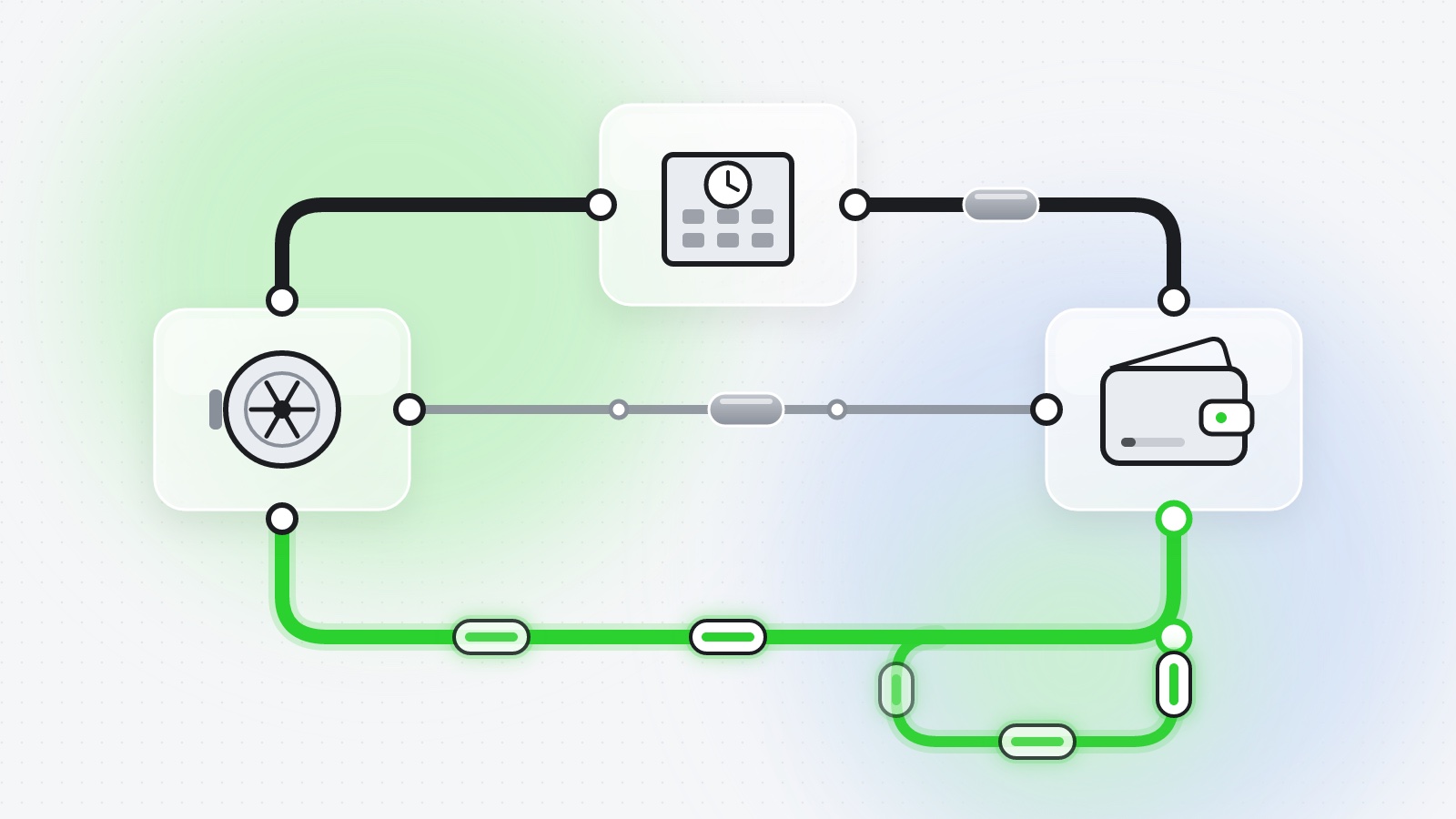
A federal bill on earned wage access, H.R. 9330, would set looser rules than the ones the CFPB described in an opinion issued December 22, 2025, according to an opinion piece in Payments Dive. Its author, Carl Morris, runs compliance at the EWA provider FlexWage Solutions. This article sets out how the money moves in each model and who is left holding the risk when a payday comes up short.
What happened
Earned wage access, or EWA, lets a worker draw part of their pay before payday. The House bill is called the Earned Wage Access Consumer Protection Act. Writing in Payments Dive, Morris argues that despite the name, it does not follow the CFPB opinion on several points that decide who pays and who is protected.
He compares the two on how the advance is sized, how it is repaid, what happens when repayment fails, and whether providers may judge a worker's credit risk. He also raises the bill's effect on state law and the design of its free option.
How the money moves
In the model the CFPB opinion describes, the employer's payroll system sits at the centre. The provider sizes the advance from verified payroll data, so the amount rests on pay that is documented. On payday, the employer deducts the advance through payroll and routes it back to the provider. The worker's own bank account is never touched for repayment.
H.R. 9330 opens a second route. Providers may use reasonably determined amounts, which Morris says could mean estimates, algorithms or gross wage approximations. The bill also names no specific way to collect. It only requires that the timing and amount match what the worker was told. In practice that allows a provider outside payroll to send the money to the worker and then pull it back from the worker's personal account by debit.
That is the core of the split. One model collects at the employer, before the pay reaches the worker. The other collects from the worker's bank account, after the pay has landed.
Who carries the shortfall
Suppose a worker's hours are cut and the payroll deduction does not cover the full advance. Under the CFPB opinion, the advance is non-recourse. The provider absorbs the gap. It has no claim on the worker and may not debit the worker's bank account.
Under H.R. 9330, the same gap looks different. The bill bans formal debt collection, late fees and interest. But Morris notes it sets no limit on how many times a provider may try to debit the account to recover an overpayment. Each extra attempt is another pull on the worker's own account, and the worker can end up out of pocket. The risk moves from the provider's balance sheet toward the worker's checking account.
Sizing matters here too. An advance based on an estimate rather than verified pay could exceed what payroll later delivers, which would raise the chance of such collection attempts.
Rules and risks
Beyond repayment, Morris flags several other gaps between the bill and the CFPB opinion. Each one bears on who pays and who is protected.
- Credit risk: the CFPB opinion bars judging a worker's credit risk, directly or indirectly. Morris says the bill implicitly lets providers weigh a worker's risk and pay ratios when setting how much can be advanced.
- State law: the bill would override state laws that classify EWA as a loan. Morris says that would displace state labor, lending and usury protections, at a time when he counts eleven public actions against EWA providers.
- The free option: the bill requires one free EWA option but does not say how it is delivered. Morris warns providers could offer slow ACH transfers of 1–3 days or push workers onto proprietary cards.
- Fees: Morris cites Center for Responsible Lending data showing 96% of all direct-to-consumer transfers carry some kind of fee.
Morris is not a neutral party. He works for an EWA provider, and his piece argues that EWA was meant as an employer-sponsored benefit. Still, the differences he lists are about mechanics that can be checked against the bill text. In his words, "Combining employer-integrated solutions and direct-to-consumer products under a single, relaxed standard weakens consumer safety".
What to watch
Morris urges Congress to examine these differences before passing the bill. Readers following it can focus on a few questions. Does the final text require verified payroll data, or allow estimates? Does it name payroll deduction as the repayment channel, or allow account debits, and if so, how many tries? Does it keep or strip the state-law preemption clause? And does the free option have to arrive fast enough to be useful?
For banks, the answers matter as well, because account debits would run repayment through consumer checking accounts.
Sources
- Payments Dive, 16 Oct 2026
Written by AI from the sources above and published automatically: before release, a script confirms every figure against the sources and checks for copied text. No editor reviews it. Treat it as background reading, not financial advice.