News analysis ·
Stablecoin payments reach banks: Coinbase, Moov and Citi
Coinbase is wiring its USDC payment stack into community banks via Moov and into Citi. We trace how the money moves and who carries the risk.
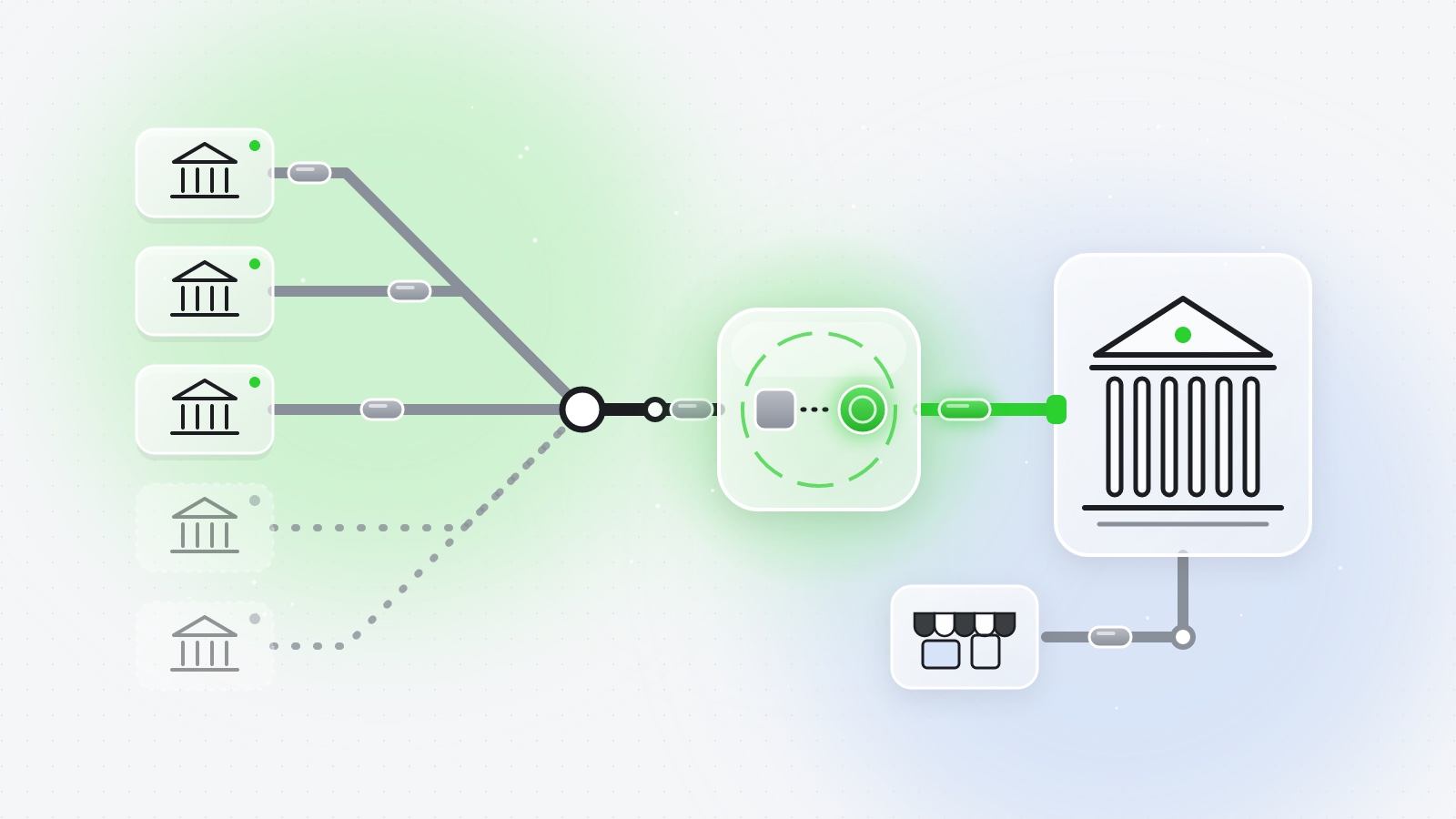
Coinbase is pushing its stablecoin payment tools into the banking system from two directions at once. According to Tearsheet, it signed with Moov, a firm that connects more than 1,000 credit unions and community lenders to payment systems, and then widened its work with Citi in September 2026. This article looks at how a USDC payment would actually travel through these links, and who is left holding which risk.
What happened
The Moov deal came first, in September 2026. Tearsheet reports that Coinbase brings the stablecoin payment and settlement functions, while Moov offers a possible route to its network of small banks and credit unions. Many of those lenders may not have the resources to build stablecoin technology on their own, which is the gap Coinbase is aiming at.
Later the same month, Coinbase connected its stablecoin payments infrastructure to Citi's institutional banking and merchant-acquiring systems. A merchant acquirer is the bank that signs up businesses to accept payments and passes the money on to them. Citi moves approximately $6 trillion a day, Tearsheet notes, so this link points Coinbase at large corporate and institutional clients rather than local depositors.
Neither step came from nowhere. Coinbase and Circle introduced USDC in 2018, Coinbase Commerce let merchants take it from 2019, and in 2025 Coinbase launched Coinbase Payments, a stack that lets businesses and payment platforms build USDC payments into systems they already run.
What is stablecoin payments, in plain terms?
A stablecoin is a digital token designed to hold a steady value against a currency such as the US dollar. A stablecoin payment moves that token from one party's wallet to another's on a blockchain, instead of moving a bank balance through card networks or bank transfer systems. The Coinbase deals aim to let banks and businesses offer this without building the underlying plumbing themselves, Tearsheet reports.
How the money moves
It helps to separate the layers. In a normal bank transfer, the customer's deposit falls at one bank and rises at another, and the banks settle between themselves later through a central system. In a stablecoin payment, the token itself changes hands, and the transfer on the ledger is the settlement. Settlement is the moment the obligation is actually discharged and the receiver owns the funds.
Under these partnerships, a likely flow for a community bank customer looks like this:
- The customer starts with an ordinary deposit at a credit union or small bank on Moov's platform.
- That bank, through Moov's connection, calls on Coinbase's stack to turn the payment into a USDC transfer.
- The USDC moves to the receiver, who may hold it or have it turned back into dollars at their own provider.
- On the Citi side, a corporate client or a merchant served by Citi's acquiring business can send or receive USDC through the same Coinbase infrastructure.
The point to notice is that the customer's money changes form along the way. It begins as a bank deposit, becomes a stablecoin for the journey, and may end as a deposit again. Each change of form is a handoff between firms, and each handoff is where risk moves.
Rules and risks: who carries what
While the money sits as a bank deposit, it is a claim on a regulated bank, and in the US it can fall under deposit insurance up to the usual limits. Once it becomes USDC, it is a claim on the stablecoin issuer and its reserves, not on the customer's bank. That is a different kind of promise, and the customer should know which one they hold at each step. Holders of a stablecoin can lose money if the issuer's reserves fall short or the token slips below its dollar value, and a stablecoin balance is not the same as an insured bank deposit.
The banks take on operational and compliance risk. They still have to run anti-money laundering and customer identity checks on payments that now touch a blockchain. A small credit union that relies on Moov and Coinbase for the technology also relies on them for uptime and accuracy, so an outage or a failed transfer lands on its desk first, even if the fault sits elsewhere.
Coinbase carries a business risk of its own. Tearsheet frames the payments push as a possible revenue source beyond trading income, which swings with crypto market activity. Brian Armstrong, chief executive of Coinbase, told Bloomberg in September 2026 that the stablecoin market, worth around $300 billion, could expand nearly tenfold by 2030. That is his view, not a fact about adoption.
What to watch
The biggest open question is take-up. Tearsheet notes the announcement does not commit every Moov institution to offering the Coinbase features, and gives no dates for when individual banks would switch them on. A route to more than 1,000 lenders is not the same as more than 1,000 live services.
Readers should also watch how banks explain the change of form to customers, how disputes and reversals are handled when a ledger transfer cannot simply be pulled back, and whether Citi's corporate clients use USDC for routine payments or only for niche cases.
Sources
- Tearsheet, 15 Oct 2026
Written by AI from the sources above and published automatically: before release, a script confirms every figure against the sources and checks for copied text. No editor reviews it. Treat it as background reading, not financial advice.