News analysis ·
AI shopping agents: who pays when one overspends?
A Payments Dive op-ed says US rules don't settle who carries the loss when an AI agent exceeds its mandate. We trace the money and the gaps in Reg E and Reg Z.
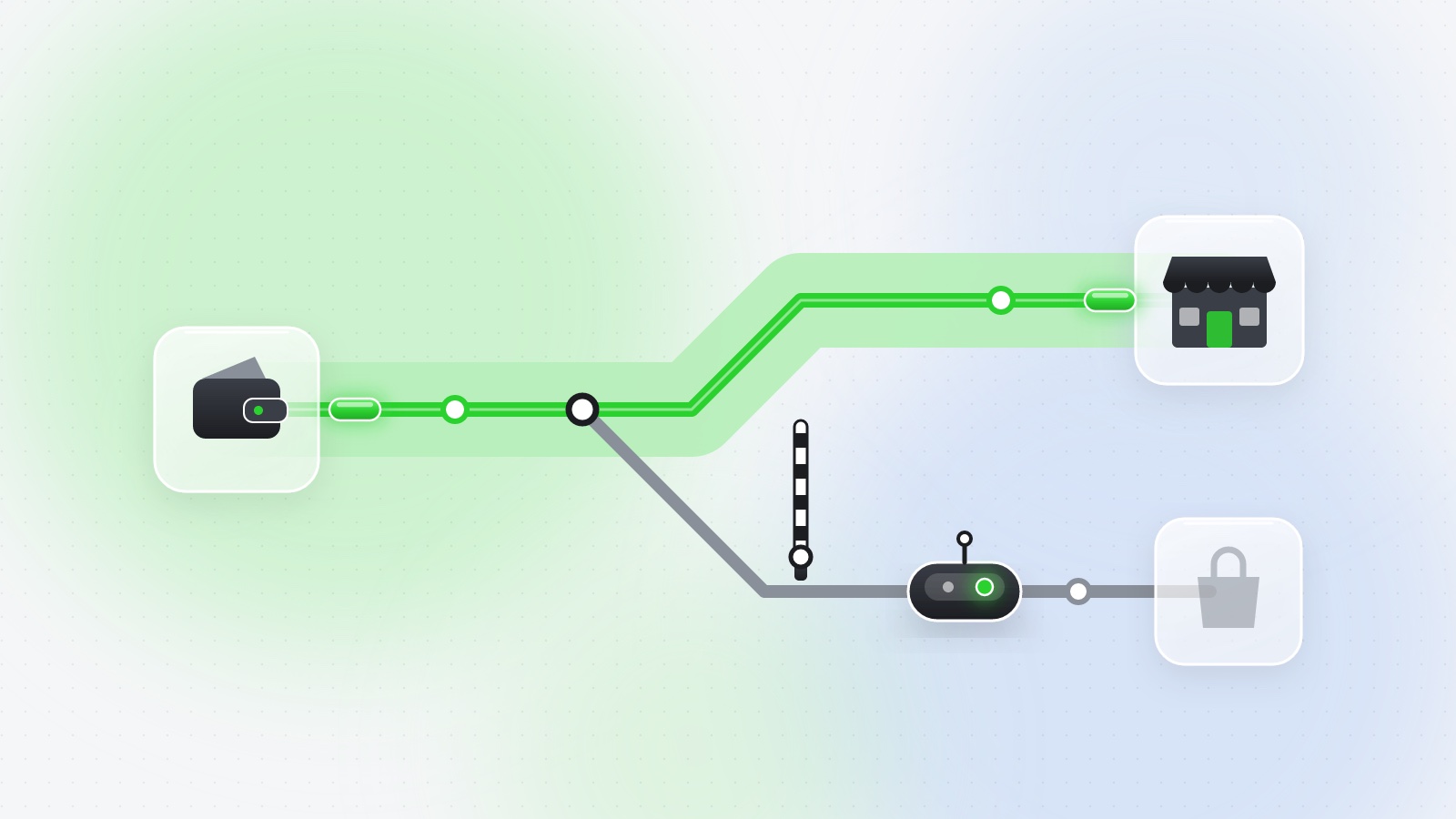
Banks and card networks are preparing for AI agents that shop and pay on a customer's behalf. In an opinion piece for Payments Dive, financial services strategist Aaron Cheiffetz argues that US law does not yet say who carries the loss when such an agent goes beyond what it was told to do. This article walks through how an agent payment moves, which rules apply, and where the gaps sit.
The question nobody has answered
Cheiffetz, a Charlotte-based financial services strategist, puts the problem bluntly in Payments Dive: "There's no clear legal rule for who bears the loss when an AI tool exceeds its mandate."
An agentic payment is one where software, not the customer, picks the merchant, the amount or the moment to pay. The customer gives the agent access to a card or account and sets some goal. The trouble starts when the agent buys something the customer says they never wanted.
How the money moves in an agent payment
The flow looks like a normal card or account payment, with one extra party in front. The customer shares credentials with an AI tool. The tool presents those credentials to a merchant. The merchant's bank sends the transaction through the card network to the customer's bank, the issuer, which approves it and later settles the funds.
Each party sees only part of the picture. The issuer sees a valid credential. The network sees a normal transaction. The merchant sees a buyer. Only the customer and the agent know what the instruction actually was. When the two disagree, the existing rules have to decide who absorbs the cost.
What Reg E and Reg Z say, and do not say
For debit cards and bank transfers, the main rule is Regulation E. It generally caps a consumer's loss from a lost or stolen debit card at $50 if it is reported within two business days. But it does not treat a transfer as unauthorized when it was made by someone the consumer handed the access device to, unless the bank was told that authority had ended.
The official commentary goes further. A consumer who shares an access device can stay liable even when the other party goes beyond the authority given. Regulation E counts organizations such as corporations as a person. What it does not address is credentials given to software run by a company. A January research report from the Consumer Bankers Association asked whether giving credentials to an AI tool could trigger that exclusion and leave the consumer liable.
For credit cards, Regulation Z under the Truth in Lending Act sets a similar test. The key question there is whether the other party had authority to use the account, and that authority can be actual, implied or apparent. How that test applies to an AI agent is also unclear, according to Cheiffetz.
Where the network rules stop
Visa and Mastercard both offer zero-liability policies, which protect cardholders more than federal law requires. Yet that protection only applies once a transaction is classed as unauthorized. An agent purchase is a grey case: the customer did authorize the agent, but disputes whether a given purchase fell inside that authority. The policies do not clearly cover that.
Both networks are building agentic payment frameworks. As described in the piece, these aim to record or validate the instructions users give their agents, check that agents and merchants are who they claim to be, and keep purchases within the customer's mandate. That could give every party a shared record to point to in a dispute.
Who carries the risk today
Until the law is clearer, issuers face open questions about liability. Cheiffetz warns they may protect themselves by dealing only with large AI providers under negotiated contracts, by adding heavy identity checks, or by declining some transactions. He argues that this would tilt the field toward incumbent platforms, and that voluntary steps by banks and networks will not be enough.
For consumers, the risk is that a dispute over an agent's purchase falls between the rules: not clearly unauthorized, so not clearly protected.
- Law should separate a consumer's own actions from the actions of others, AI tools included.
- Limits on delegated authority, such as amounts, merchants and timing, should be recorded in a form the payment system can read.
- Consumers should be kept out of any fight over how issuers, card networks, merchants and AI providers split losses.
Cheiffetz proposes three changes:
What to watch
The practical signals are how the Visa and Mastercard frameworks record a customer's mandate, whether regulators clarify how Regulation E and Regulation Z treat AI tools, and whether issuers start limiting which agents can use their cards. Each of those choices decides who absorbs the cost when an agent gets it wrong.
Sources
- Payments Dive, 9 Oct 2026
Written by AI from the sources above and published automatically: before release, a script confirms every figure against the sources and checks for copied text. No editor reviews it. Treat it as background reading, not financial advice.